

Washer Repair
RESIDENTIAL LAUNDRY APPLIANCE REPAIR




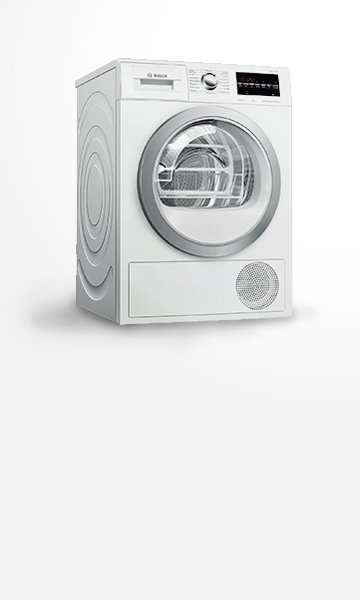
Dryer Repair
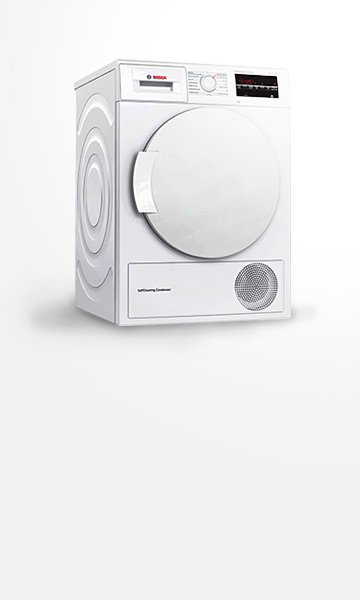
Washer and Dryer Repair in Orlando
Laundry does not stop piling up just because the washer quit mid-cycle or the dryer runs without heating. For busy households, a broken washer or dryer quickly turns into trips to the laundromat and wet towels everywhere. Fuse HVAC & Appliance Repair repairs residential washing machines and dryers across Orlando and Central Florida, with upfront pricing and same-day visits when our schedule allows.
This page is the laundry hub within our appliance services. For detailed information, see washing machine repair and dryer repair.
Washing Machine Problems We Fix
- Will not drain – clogged pump filter, failed drain pump or blocked hose.
- Will not spin or agitate – worn drive belt, failed motor or motor control board, bad lid or door lock.
- Leaks – door boot tears on front loaders, loose hoses, cracked tub or pump seals.
- Loud banging or shaking – worn shock absorbers, suspension springs or tub bearings, or an unbalanced load.
- Will not start – door lock failure, control board fault or power problem.
- Odors and mold on front-load washers – gasket and drain issues.
- Error codes on Samsung, LG, Whirlpool, Maytag, GE, Electrolux and other brands.
Dryer Problems We Fix
- Runs but does not heat – failed heating element, thermal fuse, high-limit thermostat or gas igniter and valve coils.
- Takes too long to dry – restricted vent, failing element or sensor problems.
- Will not start or tumble – broken belt, idler pulley, door switch or motor.
- Squealing, thumping or grinding – worn rollers, idler pulley or drum glides.
- Shuts off early – overheating from a clogged vent or a faulty moisture sensor.
Dryer Vent Safety
A clogged dryer vent is one of the most common causes of slow drying and overheating, and lint buildup is a fire hazard. Clean the lint screen after every load, and have the vent run checked if drying times grow longer or the laundry room feels hot. Long vent runs through attics, common in Orlando homes, need more frequent cleaning.
Brands We Repair
We repair Whirlpool, Maytag, Samsung, LG, GE, Electrolux, Frigidaire, Kenmore, Speed Queen, Bosch, Miele and other major brands, including top-load, front-load, stacked and all-in-one washer-dryer units.
Our Repair Process
- Diagnosis. We test the machine, read error codes and identify the failed part. Diagnostics are free with the repair; see our prices.
- Upfront estimate. You approve the price before work begins.
- Repair. Common parts such as belts, pumps, elements, fuses and door locks are often on our vans for same-visit repair.
- Test run. We run a cycle to confirm the problem is solved and check for leaks.
- Warranty. Repairs include a written warranty; ask your technician for the terms.
Laundry Care Tips That Prevent Breakdowns
- Do not overload the washer; heavy loads wear bearings, shocks and belts.
- Clean the washer's pump filter every few months on front loaders.
- Leave the front-load door open after use to dry the gasket.
- Use HE detergent in the correct amount; too much causes residue and odors.
- Replace rubber fill hoses with braided stainless hoses to reduce the risk of bursting.
- Make sure the dryer is on the correct circuit. If the breaker trips repeatedly, see circuit breaker replacement.
Commercial Laundry
Apartment laundry rooms, laundromats, salons and hotels use heavier-duty equipment. See commercial laundry appliance repair for our commercial washer and dryer service.
Top-Load vs. Front-Load Washer Repairs
Front-load washers use less water and are gentler on clothes, but they rely on door locks, door boots and drain pump filters that need regular attention. Top-load washers are simpler but can suffer from worn agitator couplings, transmission problems and lid switch failures. Knowing which type you have and the model number helps us bring the right parts. See real examples in our Whirlpool Duet door seal repair and Samsung dryer heating element repair case studies.
Gas and Electric Dryer Differences
Electric dryers use a heating element powered by a 240-volt circuit, while gas dryers use an igniter, flame sensor and gas valve coils with a standard 120-volt outlet. The symptoms can look the same, a dryer that tumbles but does not heat, but the parts and safety checks are different. For gas dryers we also check the gas connection for leaks and confirm proper venting. For electric dryers we check both legs of the 240-volt supply, since losing one leg often causes a "no heat" complaint that is really an electrical problem.
Laundry Room Water Damage Prevention
Washer hoses are one of the most common sources of household water damage. Inspect hoses yearly for bulges or cracks, replace rubber hoses every five years or switch to braided stainless, and consider a drip pan with a drain or a water leak sensor if the laundry room is on an upper floor or next to finished spaces.
Laundry Appliance FAQ
Is it worth repairing an older washer or dryer?
If the machine is under about ten years old and the repair is a fraction of replacement cost, repair is usually worth it. We give you the price before any work so you can decide.
Can you install a new washer and dryer?
Yes. See appliance installation, including gas dryer connections and vent setup.
Why is my washer leaving clothes soaking wet?
It is usually not draining or not reaching full spin speed, often due to a clogged pump filter, failed drain pump or worn belt.
Do you repair stacked and all-in-one washer-dryer units?
Yes. We repair stacked laundry centers and combination washer-dryers, including units installed in closets and condos with limited access.
How can I tell if my dryer vent is clogged?
Longer drying times, a hot laundry room, a burning smell or lint collecting around the outside vent flap are common signs. Have the vent checked before using the dryer again.
Book Washer or Dryer Repair
Call (321) 421-0807 or book online. Kitchen appliances giving you trouble as well? See kitchen appliance repair.