

Electrical Breaker Installation and Replacement in Orlando, Florida
Fuse HVAC & Appliance Repair Electrical Services:
- Commercial Electrical Services
- Electrical Panel Installation
- Electrical Panel Repair
- EV Charging Station
- Installation Generator
- Installation Generator Repair
- Heater Installation
- Heater Repair
- Home Theater Installation
- Lighting Installation
- Lighting Repair
- Circuit Breaker Installation & Replacement
- Circuit Breaker Repair
- Doorbell Installation & Replacement Doorbell Repair
- Virtual Consultations
- Outlet Installation
- Outlet Repair
- Residential Electrical Services
- Security System
- Installation Security System Repair
- Smoke Detector Installation
- Solar Panel Installation
- Solar Panel Repair
- Wiring Installation
- Wiring Repair
Circuit Breaker Installation and Replacement in Orlando
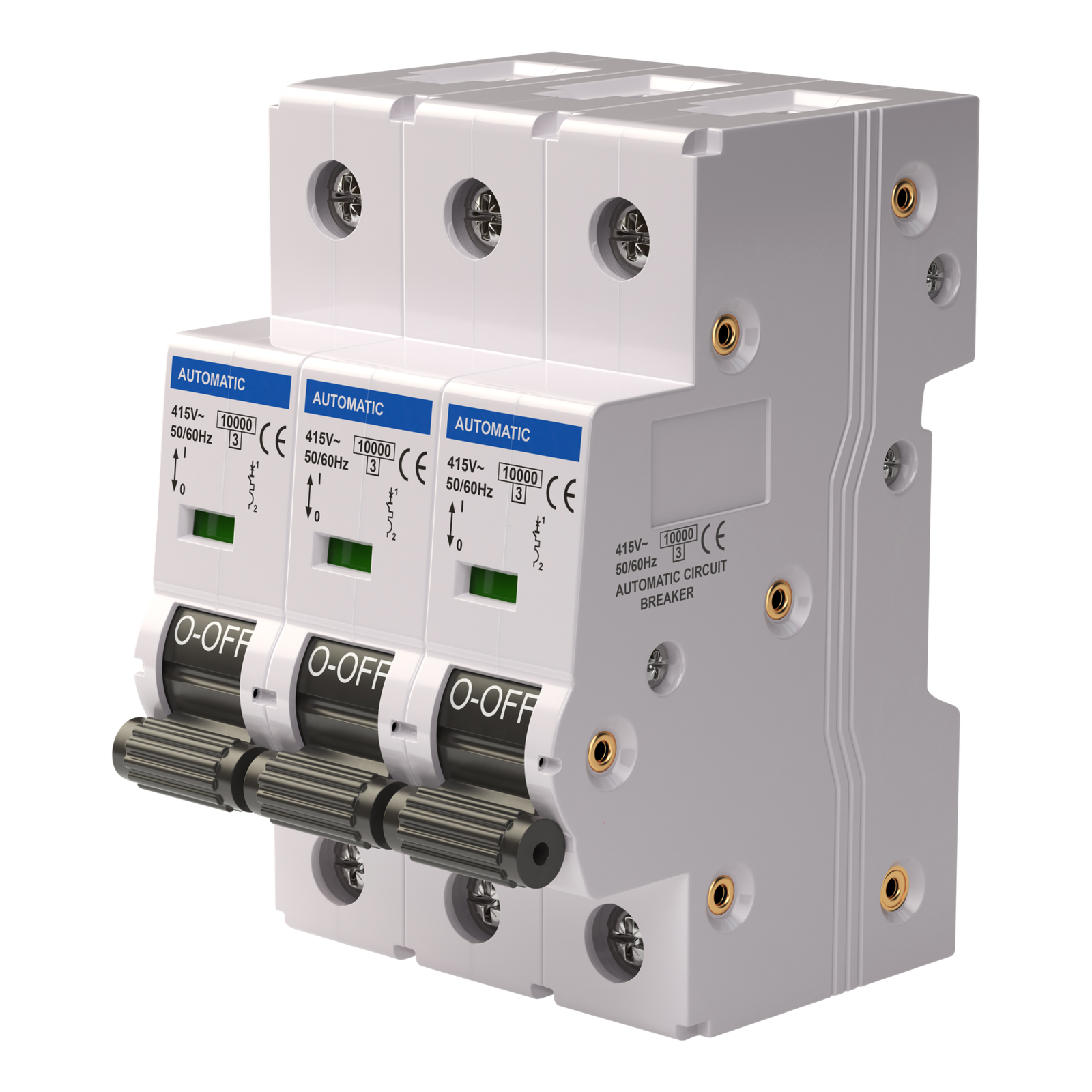
A circuit breaker has one job: switch off a circuit before a fault or overload can overheat the wiring. When a breaker trips for no clear reason, refuses to reset, buzzes or feels hot, it is either doing its job and warning you about a problem on the circuit, or it has worn out and can no longer be trusted. Fuse HVAC & Appliance Repair diagnoses and replaces breakers for homes and businesses across Orlando, and installs new breakers and dedicated circuits for appliances, HVAC equipment and chargers.
Breaker work is part of our full range of electrical services. If your panel itself is damaged or full, see electrical panel installation and replacement.
Why Breakers Trip
Understanding why a breaker trips is the first step to fixing it. The most common causes we find are:
- Overload. Too many devices on one circuit, such as a space heater, microwave and coffee maker on the same kitchen circuit.
- Short circuit. A hot wire touching neutral or ground, often from damaged cords, loose outlet connections or rodent damage.
- Ground fault. Current leaking to ground through water or a failing appliance. GFCI breakers and outlets trip to prevent shock.
- Arc fault. Loose or damaged wiring creating small arcs. AFCI breakers detect this and cut power to reduce fire risk.
- Failing equipment. An AC compressor with a weak capacitor, a shorted dryer element or a failing water heater element can trip its breaker every time it starts.
- A worn breaker. Breakers are mechanical and can weaken with age and heat, tripping below their rating.
Signs a Breaker Needs Replacement
- It will not reset, or trips again immediately with nothing plugged in.
- It feels hot to the touch or shows discoloration.
- You hear buzzing or crackling from the panel.
- The handle is loose or does not latch firmly.
- There is rust or corrosion on the breaker or bus connection.
- It is the wrong type or size for the wire it protects.
Never replace a breaker with a larger one to stop nuisance tripping. The breaker size must match the wire gauge. A larger breaker lets the wire overheat before it trips.
Our Breaker Diagnosis and Replacement Process
- Listen to the history. When does it trip, and what is running at the time? This often points straight to the cause.
- Test the circuit. We measure current draw, check insulation and connections, and isolate appliances on the circuit.
- Inspect the panel. Bus bar condition, connection torque and signs of heat are checked around the breaker.
- Explain and quote. You receive the cause and a written price. If the problem is an appliance or HVAC part, we can fix that too.
- Replace and verify. The correct breaker type for your panel brand is installed, and the circuit is tested under load.
New Breakers and Dedicated Circuits
Many appliances and systems require their own circuit to run safely and keep their warranty. We add breakers and dedicated circuits for:
- Central AC, heat pumps and air handlers during an AC installation or heat pump service.
- Electric ranges, double wall ovens, induction cooktops and dishwashers.
- Electric dryers and washers in the laundry room.
- EV chargers, pool pumps, well pumps and water heaters.
- Commercial kitchen equipment, walk-in coolers and freezers and ice machines.
GFCI and AFCI Protection Upgrades
Current electrical codes require ground-fault protection in kitchens, bathrooms, garages, laundry areas and outdoors, and arc-fault protection on many living-area circuits. Older Orlando homes often have neither. Upgrading to GFCI and AFCI breakers is one of the most cost-effective safety improvements you can make, especially in homes with children, older wiring or outdoor outlets exposed to rain.
Breaker Service for Businesses
In a restaurant or store, a tripped breaker can shut down a cooler, a register or an entire kitchen line. We troubleshoot commercial circuits, balance loads across phases, add circuits for new equipment and replace failing breakers with minimal interruption. Our technicians can also check the connected commercial refrigeration or commercial HVAC equipment when it is the source of the trip.
Standard, GFCI, AFCI and Dual-Function Breakers Compared
| Breaker type | What it protects against | Where it is typically required |
|---|---|---|
| Standard thermal-magnetic | Overloads and short circuits | Every circuit |
| GFCI | Ground faults that can cause electric shock | Kitchens, bathrooms, garages, laundry, outdoors, pools |
| AFCI | Arc faults from damaged or loose wiring that can start fires | Bedrooms, living areas and many new or modified circuits |
| Dual-function (AFCI + GFCI) | Both arc faults and ground faults | Kitchens and laundry areas under newer codes |
Each panel brand uses its own breaker style, and only breakers listed for your panel should be installed. Mixing brands can lead to poor contact with the bus bar, overheating and a failed inspection. We carry the common styles used in Central Florida homes and order specific breakers for less common panels.
What Happens When a Breaker Is Too Small or Too Large
A breaker that is too small for the load trips constantly. The fix is not a bigger breaker but a correctly sized circuit: heavier wire and a matching breaker, or splitting the load across two circuits. A breaker that is too large for the wire is more dangerous because it lets the wire overheat before tripping. We check wire size, breaker rating and the equipment data plate on every job so the circuit is protected the way it was designed to be.
Circuit Breaker FAQ
Is it safe to keep resetting a breaker that trips?
Resetting once after unplugging devices is fine. If it trips again right away, stop resetting it and call a professional; the breaker is reacting to a real fault.
How much does breaker replacement cost?
The price depends on the breaker type (standard, GFCI, AFCI or dual-function) and panel brand. You receive an upfront price after diagnosis. See our prices page for how we charge.
My AC trips the breaker every time it starts. Is it the breaker or the AC?
Often it is the AC, for example a failing capacitor or compressor. We test both, and our AC repair technicians can fix the unit on the same visit.
Schedule Breaker Repair in Orlando
Call Fuse HVAC & Appliance Repair at (321) 421-0807 or book online for breaker diagnosis, replacement and new circuits.